
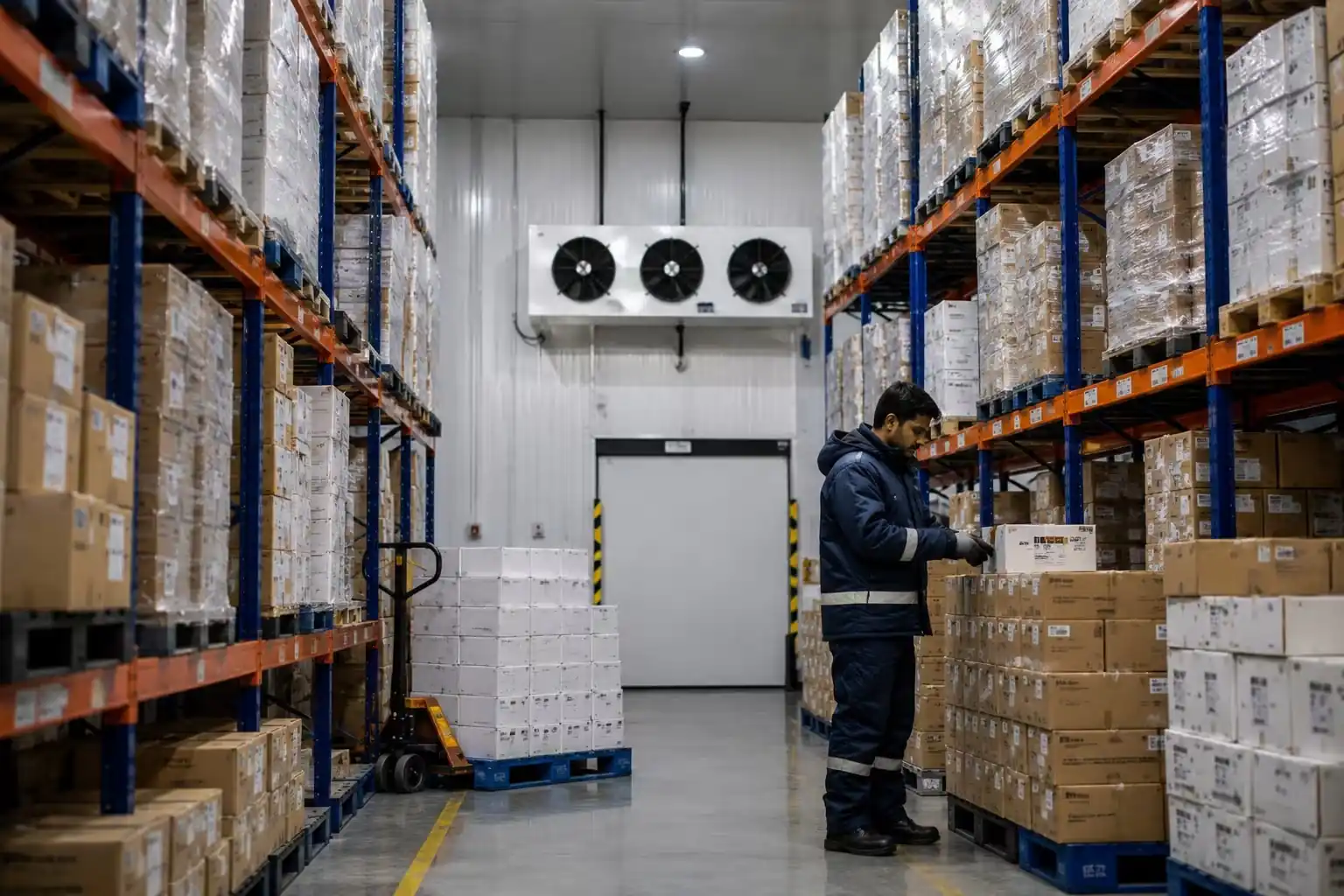
Storing products that require specific temperatures needs careful planning, the right facilities, and reliable storage conditions. Businesses dealing with food, beverages, medicines, cosmetics, flowers, and other sensitive goods must ensure that their inventory stays fresh, safe, and in good condition. Choosing a suitable warehouse helps protect product quality, reduce waste, and maintain customer satisfaction. With the right storage environment, businesses can manage their inventory more efficiently and support long-term growth.
When searching for a warehouse for rent, businesses should look beyond the rental price and consider temperature control, storage capacity, location, safety, and operating costs. A well-equipped facility can help prevent damage caused by heat, humidity, or sudden temperature changes. For businesses operating in the UAE, where high outdoor temperatures can create additional storage challenges, selecting the right warehouse is especially important.
1. Understand Your Product’s Temperature Requirements
Before selecting a warehouse, identify the ideal storage conditions for your products. Different items require different temperature ranges. Frozen food may need sub-zero storage, while fresh produce often requires chilled conditions. Certain medicines and cosmetics may need controlled temperatures to maintain their quality.
Prepare a list of your products and their storage requirements. Check the recommended temperature range, humidity levels, and any special handling instructions. This information will help you identify a facility that meets your operational needs without paying for unnecessary storage features.
2. Check the Temperature Control System
A reliable temperature control system is one of the most important features of a suitable warehouse. Look for modern refrigeration equipment, effective insulation, and proper ventilation. These features help maintain stable indoor conditions, even when outdoor temperatures rise.
Ask the property manager about equipment maintenance, backup power, and procedures for handling cooling system failures. A warehouse with dependable temperature controls can reduce the risk of spoilage and unexpected inventory losses.
It is also useful to check whether the facility has separate temperature zones. This allows businesses to store different product categories under suitable conditions within the same building.
3. Look for Real-Time Monitoring and Alerts
Temperature monitoring helps businesses maintain consistent storage conditions throughout the day. Choose a warehouse that uses digital sensors and monitoring systems to record temperature levels continuously.
Automatic alerts can notify staff when temperatures move outside the permitted range. This allows them to respond quickly before products are affected. For sensitive inventory, maintaining temperature records can also support internal quality checks and applicable compliance requirements.
Ask whether monitoring systems operate outside normal business hours and whether temperature records can be accessed when needed.
4. Evaluate Location and Transportation Access
A warehouse’s location can influence delivery times, transportation expenses, and product quality. Choose a facility with convenient access to major roads, suppliers, distribution centres, and customer markets.
For temperature-sensitive goods, shorter transportation times can help reduce exposure to unsuitable conditions during loading and delivery. Check whether the warehouse has enough loading bays, suitable vehicle access, and sufficient space for refrigerated vehicles where necessary.
A convenient location can improve supply chain efficiency and help businesses fulfil orders on time.
5. Inspect Hygiene, Safety, and Building Quality
Cleanliness is essential when storing food, healthcare products, and other sensitive inventory. Inspect the warehouse for signs of moisture, pests, leaks, poor drainage, or damaged insulation. The floors, walls, storage racks, and loading areas should be suitable for your products and daily operations.
Ask about pest control, cleaning schedules, fire safety systems, and access restrictions. Depending on the type of inventory, you may also need specialised hygiene procedures and regulatory approvals.
A well-maintained building creates a safer storage environment and helps protect valuable stock.
6. Compare Rental Costs and Additional Expenses
The monthly rent is only one part of the total warehouse cost. Businesses should also consider electricity consumption, refrigeration maintenance, security, insurance, service charges, and any required equipment upgrades.
When comparing a warehouse for rent, request a clear breakdown of the rental terms and additional expenses. Check the lease duration, deposit, renewal conditions, permitted business activities, and responsibility for repairing temperature control equipment.
Choosing a facility that matches your storage needs can help you manage expenses while avoiding costly operational problems.
7. Plan for Future Business Growth
Your storage requirements may change as your business expands. Consider whether the warehouse offers enough space for additional inventory, improved equipment, and higher order volumes.
Flexible storage arrangements can help businesses respond to seasonal demand and changing customer needs. Selecting a facility with room for growth may also reduce the cost and disruption of relocating later.
Conclusion
Choosing the right warehouse requires a balance of product safety, temperature control, location, hygiene, and affordability. Businesses should inspect facilities carefully, verify monitoring systems, and understand all rental conditions before making a decision. A suitable warehouse for rent can help protect temperature-sensitive inventory, reduce unnecessary losses, and improve supply chain performance. By focusing on both present requirements and future growth, businesses can build a dependable storage strategy and deliver better value to their customers.
