
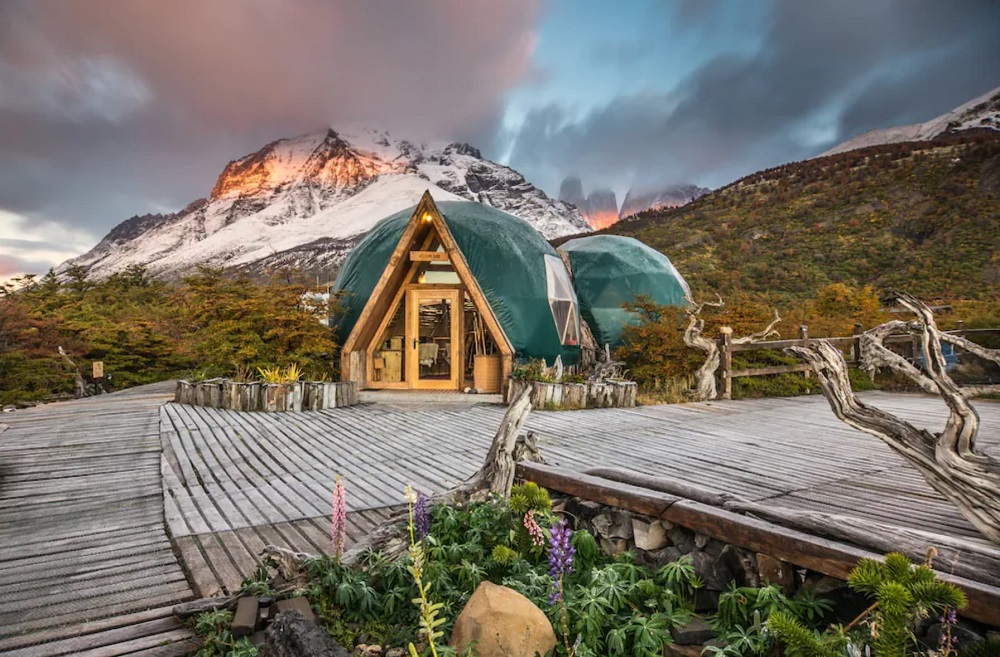
Tourism continues to expand across global destinations, creating both economic opportunity and environmental pressure. As travelers become more aware of sustainability issues, accommodation providers are adapting their strategies to reduce environmental impact while supporting local communities. Eco lodging innovations are playing a central role in this transformation by helping the hospitality sector balance growth with responsibility.
Eco lodging refers to accommodations designed to minimize environmental harm, conserve resources, and promote cultural respect. These properties often integrate renewable energy systems, sustainable construction practices, waste reduction strategies, and community engagement initiatives into their operations. As responsible tourism becomes a priority for travelers and governments alike, eco lodging innovations are shaping the future of hospitality.
Understanding how these innovations support responsible tourism growth helps highlight the evolving relationship between sustainability and travel experiences.
Understanding Eco Lodging in Responsible Tourism
Eco lodging represents a category of accommodation designed to reduce environmental footprints while promoting conservation and community well being. These properties typically operate using strategies that support long term ecological balance rather than short term commercial gains.
Core principles of eco lodging include:
- reducing energy consumption
- conserving water resources
- minimizing waste generation
- supporting local economies
- preserving cultural heritage
- protecting biodiversity
Responsible tourism depends heavily on these principles because accommodation facilities often account for a large share of tourism related environmental impact.
Eco lodging innovations help ensure that tourism development remains sustainable across generations.
Sustainable Architecture Transforming Hospitality Design
One of the most visible eco lodging innovations involves sustainable building design. Architects increasingly use environmentally responsible materials and construction methods that reduce ecological impact while enhancing guest comfort.
Examples of sustainable architecture practices include:
- using locally sourced construction materials
- designing natural ventilation systems
- incorporating passive cooling techniques
- maximizing daylight usage
- reducing reliance on artificial lighting
These design strategies reduce long term energy consumption and improve environmental performance.
Sustainable architecture also allows eco lodges to blend naturally into surrounding landscapes, preserving scenic value and ecological integrity.
Renewable Energy Integration in Eco Lodging Facilities
Energy consumption represents one of the largest operational costs for accommodation providers. Eco lodging properties are increasingly integrating renewable energy technologies to reduce reliance on fossil fuels.
Common renewable energy solutions include:
- solar power installations
- small scale wind energy systems
- geothermal heating solutions
- solar water heating technologies
- hybrid microgrid energy management systems
Renewable energy adoption lowers carbon emissions and improves operational sustainability.
Guests often appreciate accommodations that demonstrate visible commitment to clean energy solutions.
Water Conservation Strategies Supporting Resource Protection
Tourism destinations frequently experience water shortages, especially in environmentally sensitive regions. Eco lodging innovations include advanced water conservation systems that reduce unnecessary consumption.
Water conservation strategies may involve:
- rainwater harvesting systems
- low flow plumbing fixtures
- greywater recycling systems
- landscape irrigation optimization
- water monitoring technologies
Reducing water usage protects local ecosystems and supports community access to shared resources.
Responsible water management strengthens the long term viability of tourism destinations.
Waste Reduction Programs Enhancing Environmental Responsibility
Waste management remains a major challenge for tourism infrastructure. Eco lodging properties are adopting innovative strategies to reduce landfill contributions and promote circular resource use.
Effective waste reduction practices include:
- composting organic materials
- eliminating single use plastics
- supporting refillable product systems
- recycling construction materials
- implementing guest awareness programs
Waste reduction initiatives improve environmental outcomes while strengthening brand credibility among environmentally conscious travelers.
Sustainable waste management also supports healthier ecosystems in tourism regions.
Supporting Local Communities Through Eco Lodging Operations
Responsible tourism extends beyond environmental protection. Eco lodging innovations increasingly emphasize community engagement and economic inclusion.
Community support strategies often include:
- hiring local staff members
- sourcing food from nearby producers
- promoting regional crafts
- supporting cultural heritage preservation
- partnering with local conservation organizations
These practices ensure that tourism benefits remain within destination communities rather than flowing outward to distant stakeholders.
Community collaboration strengthens social sustainability within tourism ecosystems.
Biodiversity Conservation Through Eco Friendly Accommodation Design
Many eco lodges operate in environmentally sensitive regions such as forests, coastal zones, and wildlife habitats. Protecting biodiversity becomes an essential responsibility for these properties.
Conservation oriented innovations may include:
- habitat restoration programs
- wildlife friendly lighting systems
- reduced construction footprints
- native landscaping strategies
- conservation education programs for guests
These initiatives help protect fragile ecosystems while enhancing visitor awareness of environmental stewardship.
Biodiversity protection strengthens the long term attractiveness of tourism destinations.
Smart Technology Supporting Sustainable Operations
Digital innovation plays an increasingly important role in eco lodging sustainability strategies. Smart monitoring systems allow accommodation providers to manage resources efficiently while improving guest experiences.
Smart technology applications include:
- energy consumption tracking systems
- automated climate control management
- occupancy based lighting controls
- digital maintenance monitoring platforms
- water usage analytics dashboards
These technologies enable continuous performance improvement across sustainability programs.
Data driven operations support more precise environmental management decisions.
Sustainable Food Systems in Eco Lodging Experiences
Food services within accommodation facilities significantly influence environmental impact. Eco lodges increasingly adopt sustainable sourcing strategies that reduce transportation emissions and support local agriculture.
Sustainable hospitality food practices often include:
- farm to table ingredient sourcing
- seasonal menu planning
- reduced food waste initiatives
- plant forward dining options
- partnerships with regional producers
Responsible food sourcing improves both environmental sustainability and cultural authenticity within guest experiences.
Local culinary engagement strengthens destination identity and visitor satisfaction.
Eco Certification Programs Encouraging Industry Accountability
Certification programs play an important role in encouraging sustainability improvements across the lodging sector. Many eco lodging properties participate in independent certification frameworks that evaluate environmental performance.
Certification benefits include:
- transparent sustainability verification
- improved consumer trust
- standardized environmental benchmarks
- operational improvement guidance
- stronger destination marketing credibility
Certification programs encourage continuous improvement rather than one time compliance.
Industry accountability strengthens responsible tourism development globally.
Role of Guest Education in Responsible Tourism Participation
Eco lodging innovations often include educational initiatives designed to encourage environmentally responsible behavior among travelers. Educated guests become active participants in sustainability efforts rather than passive observers.
Guest engagement programs may include:
- guided nature interpretation experiences
- conservation awareness workshops
- responsible wildlife interaction guidelines
- resource conservation reminders
- cultural heritage education sessions
These programs help travelers understand how their choices influence destination sustainability.
Education strengthens the long term effectiveness of eco tourism strategies.
Climate Resilience Planning in Eco Lodging Infrastructure
Climate change is influencing tourism destinations through extreme weather events, shifting ecosystems, and changing visitor patterns. Eco lodging innovations increasingly include resilience planning strategies that prepare facilities for environmental uncertainty.
Climate resilience strategies may involve:
- elevated building foundations in flood prone areas
- drought resistant landscaping
- storm resistant construction materials
- decentralized energy systems
- emergency resource planning frameworks
Resilient infrastructure protects both guests and ecosystems during environmental disruptions.
Long term resilience strengthens the stability of tourism economies.
Economic Advantages of Eco Lodging for Tourism Destinations
Eco lodging contributes to destination level sustainability while also supporting economic growth. Responsible accommodations attract environmentally conscious travelers who often prioritize quality experiences over high volume tourism.
Economic advantages include:
- increased visitor loyalty
- higher average guest spending
- improved destination reputation
- support for local entrepreneurship
- diversification of tourism offerings
Eco lodging helps destinations balance growth with conservation priorities.
Sustainable tourism models often produce stronger long term economic outcomes than conventional development approaches.
Future Trends Shaping Eco Lodging Innovation
Eco lodging continues evolving as sustainability expectations increase and technology capabilities improve. Future developments are expected to further strengthen responsible tourism frameworks.
Emerging trends may include:
- expanded use of carbon neutral construction materials
- increased adoption of regenerative tourism principles
- advanced energy storage technologies
- integration of biodiversity monitoring systems
- stronger collaboration between communities and accommodation providers
These innovations will continue supporting tourism models that protect environmental and cultural resources while delivering meaningful travel experiences.
Responsible tourism growth depends on accommodation strategies that prioritize sustainability alongside comfort and accessibility.
FAQ Section
What makes eco lodging different from traditional hotels
Eco lodging focuses on minimizing environmental impact through sustainable construction, renewable energy use, resource conservation, and community engagement practices.
Are eco lodges more expensive than conventional accommodations
Costs vary depending on location and amenities, but many eco lodges provide competitive pricing while offering added environmental value and unique experiences.
How do eco lodges support wildlife conservation
Many eco lodges implement habitat protection programs, limit construction footprints, and educate guests about responsible wildlife interaction practices.
Can eco lodging contribute to reducing carbon emissions in tourism
Yes. Renewable energy systems, efficient building designs, and local sourcing strategies help reduce emissions associated with accommodation operations.
Do eco lodges operate only in remote natural areas
No. Eco lodging concepts are increasingly applied in urban hotels, coastal resorts, mountain retreats, and cultural heritage destinations.
How can travelers identify authentic eco friendly accommodations
Travelers can look for recognized sustainability certifications, transparent environmental policies, and visible conservation initiatives within property operations.
What role do governments play in supporting eco lodging development
Governments often provide sustainability guidelines, incentives for green construction, and conservation policies that encourage responsible tourism infrastructure development.
