
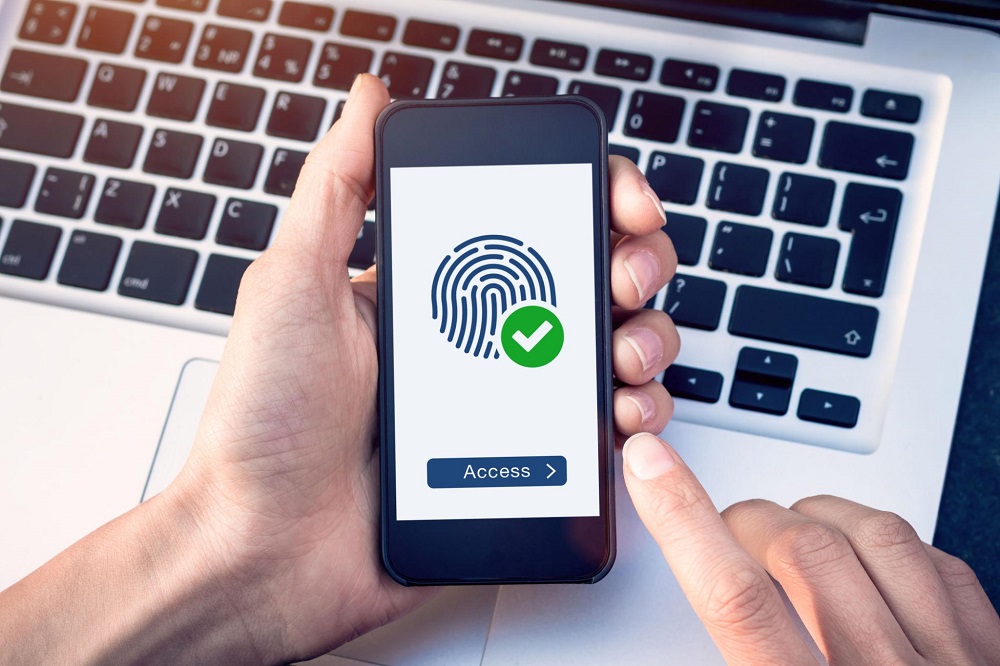
Digital identity is undergoing a major transformation as organizations move away from traditional password based authentication systems. Passwordless ecosystems are emerging as a secure and user friendly alternative that reduces security risks while improving access experiences across devices and platforms. As cyber threats continue evolving and remote work environments expand, secure identity frameworks are becoming central to enterprise security strategies.
Passwordless authentication replaces memorized credentials with cryptographic keys, biometric verification, trusted devices, and behavioral signals. These technologies create stronger protection against phishing attacks, credential theft, and unauthorized access while simplifying the login process for users. The future of digital identity will depend on how organizations integrate these systems into scalable and interoperable authentication environments.
Understanding the role of secure identity in passwordless ecosystems helps explain how cybersecurity strategies are adapting to modern digital infrastructure.
Understanding Passwordless Authentication Systems
Passwordless authentication refers to identity verification methods that do not rely on traditional text based passwords. Instead, these systems use cryptographic credentials and trusted identity signals to confirm user access.
Common passwordless authentication methods include:
- biometric authentication such as fingerprint recognition
- facial recognition verification
- hardware security keys
- device based authentication tokens
- mobile authentication applications
These methods reduce reliance on user memory and decrease vulnerability to credential reuse attacks.
Passwordless systems also improve usability by eliminating the need to manage multiple passwords across services.
Limitations of Traditional Password Based Security Models
Passwords have served as the primary authentication method for decades, but they present several security weaknesses in modern digital environments.
Common password related risks include:
- phishing attacks that capture login credentials
- password reuse across multiple services
- weak password creation habits
- credential database breaches
- social engineering manipulation techniques
These vulnerabilities make passwords one of the most targeted entry points for cyber attackers.
Passwordless authentication addresses many of these risks by removing static credentials from authentication workflows.
Role of Public Key Cryptography in Passwordless Identity Systems
Public key cryptography plays a central role in passwordless authentication ecosystems. Instead of transmitting passwords across networks, systems use asymmetric encryption to verify identity securely.
In this model:
- a private key remains stored securely on the user device
- a public key is stored by the service provider
- authentication occurs through cryptographic verification rather than credential exchange
This process prevents attackers from intercepting reusable credentials during login attempts.
Cryptographic authentication strengthens resistance to phishing and replay attacks.
Biometric Authentication Supporting Secure Identity Verification
Biometric technologies are becoming essential components of passwordless ecosystems. These systems verify identity based on physical or behavioral characteristics unique to each individual.
Common biometric authentication methods include:
- fingerprint scanning
- facial recognition systems
- voice recognition analysis
- iris recognition technologies
Biometric authentication improves both security and convenience because users do not need to remember complex credentials.
Modern biometric systems typically store verification data locally on trusted devices rather than transmitting raw biometric information across networks.
This approach strengthens privacy protection while maintaining authentication accuracy.
Hardware Security Keys Strengthening Access Protection
Hardware security keys provide strong identity verification by requiring physical possession of a trusted device during authentication. These keys generate cryptographic responses that confirm user identity securely.
Benefits of hardware based authentication include:
- protection against phishing attacks
- resistance to credential replay attempts
- secure offline identity verification
- compatibility with enterprise security frameworks
- support for multi device authentication environments
Hardware security keys are widely used in enterprise security environments that require high assurance identity verification.
These devices provide an additional layer of protection beyond software based authentication methods.
Role of Trusted Devices in Passwordless Ecosystems
Trusted device authentication verifies identity based on previously registered hardware such as smartphones, laptops, or tablets. Devices store secure credentials that confirm user identity without requiring passwords.
Trusted device authentication supports:
- seamless login experiences
- persistent identity verification
- reduced authentication friction
- stronger device based security controls
- improved session protection mechanisms
Organizations increasingly rely on trusted devices to simplify secure access across distributed work environments.
This approach strengthens identity assurance without increasing user complexity.
Multi Factor Authentication Evolution Toward Passwordless Models
Multi factor authentication has traditionally combined passwords with secondary verification methods. Passwordless ecosystems extend this concept by removing passwords entirely while maintaining strong identity assurance.
Passwordless multi factor authentication may combine:
- biometric verification
- hardware security tokens
- trusted device authentication
- contextual risk analysis signals
These layered authentication approaches strengthen identity verification across high risk access scenarios.
Modern authentication frameworks emphasize flexible combinations of identity signals rather than static credential checks.
Role of Behavioral Biometrics in Continuous Identity Verification
Behavioral biometrics analyze user interaction patterns such as typing rhythm, navigation behavior, and device handling characteristics to support continuous identity verification.
Behavioral authentication helps systems:
- detect unusual access patterns
- identify potential account compromise attempts
- strengthen session security monitoring
- reduce reliance on repeated login prompts
- support adaptive authentication frameworks
Continuous identity verification improves security without interrupting user workflows.
Behavioral signals complement traditional biometric and cryptographic authentication methods.
Passwordless Identity Supporting Zero Trust Security Architectures
Zero trust security models assume that no device or user should be automatically trusted without verification. Passwordless authentication aligns closely with zero trust principles by enabling strong identity validation at every access request.
Passwordless identity supports zero trust strategies by:
- verifying device authenticity continuously
- validating user identity dynamically
- reducing credential based attack surfaces
- strengthening network segmentation controls
- supporting risk based access decisions
These capabilities help organizations secure distributed digital environments more effectively.
Zero trust frameworks are becoming essential components of enterprise cybersecurity strategies.
Importance of Identity Federation in Passwordless Ecosystems
Identity federation allows users to access multiple services using a single trusted authentication framework. Passwordless identity systems benefit from federation by simplifying secure access across platforms and applications.
Federated identity supports:
- seamless cross platform authentication
- reduced credential duplication
- centralized identity management policies
- improved compliance monitoring
- simplified user onboarding processes
Federation improves both security consistency and user convenience across digital ecosystems.
Organizations benefit from centralized identity governance strategies.
Privacy Considerations in Passwordless Identity Frameworks
As passwordless systems expand, protecting user privacy remains a critical priority. Secure identity frameworks must ensure that biometric data and authentication credentials remain protected from misuse.
Important privacy protections include:
- secure local credential storage
- encrypted authentication communications
- limited data sharing between services
- transparent identity verification policies
- compliance with data protection regulations
Maintaining strong privacy safeguards helps organizations build trust in passwordless authentication environments.
Responsible identity management supports long term adoption.
Enterprise Adoption Trends in Passwordless Authentication
Enterprises across industries are increasingly adopting passwordless identity strategies to reduce cybersecurity risks and improve operational efficiency.
Drivers of enterprise adoption include:
- increased remote workforce environments
- rising phishing attack frequency
- regulatory compliance requirements
- need for secure cloud platform access
- demand for improved user experience
Passwordless authentication helps organizations reduce help desk workload associated with password resets while improving overall access security.
Adoption trends indicate continued expansion across sectors including healthcare, finance, education, and government services.
Future Innovations Shaping Passwordless Identity Ecosystems
Passwordless identity frameworks continue evolving as authentication technologies improve. Future systems will likely integrate additional contextual signals to strengthen identity verification accuracy.
Emerging developments may include:
- stronger decentralized identity frameworks
- expanded biometric authentication capabilities
- improved interoperability between identity providers
- enhanced continuous authentication monitoring
- wider adoption of hardware backed cryptographic credentials
These innovations will further reduce reliance on passwords while improving security resilience across digital environments.
Secure identity infrastructure will remain central to protecting users and organizations in increasingly connected digital ecosystems.
FAQ Section
What is the main difference between passwordless authentication and traditional multi factor authentication
Traditional multi factor authentication still relies on passwords combined with additional verification methods, while passwordless authentication removes passwords entirely from the login process.
Can passwordless authentication prevent phishing attacks completely
Passwordless authentication significantly reduces phishing risks because attackers cannot capture reusable passwords, although organizations must still implement additional security protections.
Are biometric authentication systems safe for everyday use
Modern biometric systems typically store verification data securely on local devices rather than transmitting sensitive information across networks, improving privacy and safety.
Do passwordless systems work across multiple devices
Yes. Many passwordless ecosystems support secure authentication across smartphones, laptops, tablets, and enterprise hardware platforms.
Can small businesses benefit from passwordless authentication
Yes. Passwordless authentication reduces credential management complexity and improves security even for smaller organizations with limited cybersecurity resources.
How does passwordless identity support remote work environments
Passwordless systems enable secure access from distributed locations by verifying identity through trusted devices and cryptographic credentials instead of relying on location based network controls.
Will passwords disappear completely in the future
Passwords may continue existing in limited legacy environments, but passwordless authentication technologies are expected to become the primary identity verification method across modern digital systems.
