
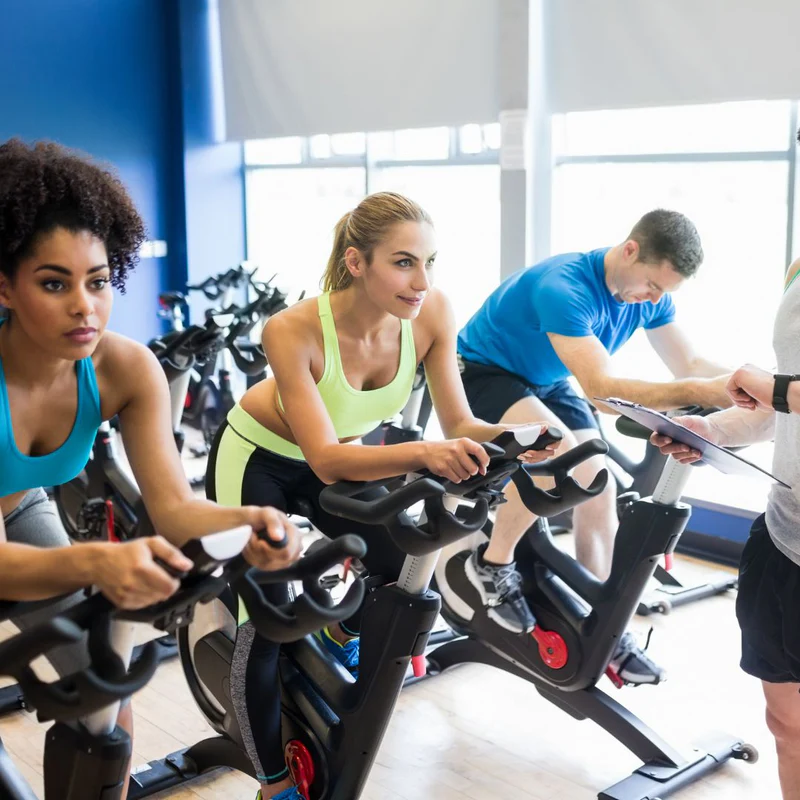
Many Singapore adults spend a large portion of their day sitting. Whether it is long office hours, commuting on public transport or working remotely from home, the body gradually adapts to a seated posture. This leads to weakened glutes, tight hip flexors, a rounded back and reduced lower body stability. Over time, these changes affect walking patterns, energy levels and even the ability to maintain good posture without effort. Indoor cycling has become a popular fitness choice because it offers a structured and low-impact way to strengthen the posterior chain while correcting long-term imbalances caused by sitting.
Joining spinning classes offers more than a cardiovascular workout. The movement pattern on the bike activates multiple muscles that support upright posture, spinal alignment and everyday mobility. These improvements help office workers, students and professionals feel more stable, energetic and comfortable throughout the day, especially after long periods of seated work.
Indoor cycling also provides a safe environment for people who may not feel confident with weightlifting or high-impact exercise. The bike offers stability while still encouraging targeted strengthening of the glutes, hamstrings, calves and lower back. This makes it an ideal choice for adults with desk-bound lifestyles who want to rebuild balance in their bodies without adding unnecessary strain to the joints.
Why Sitting Creates Long-Term Postural Imbalances
To understand how indoor cycling corrects posture, it helps to first understand how sitting creates issues.
Hip flexor tightness from long hours
Prolonged sitting keeps the hip flexors in a shortened position. This reduces glute activation and shifts the pelvis forward, contributing to lower back discomfort.
Weakened glutes from inactivity
The glutes are responsible for hip stabilisation and upright posture. When inactive for long periods, they lose strength, which affects balance and walking movement.
Reduced spinal mobility
Rounded shoulders and a curved spine are common in seated postures. Over time, the back muscles weaken and struggle to maintain a neutral position.
Imbalanced leg muscles
Sitting causes the front thigh muscles to become dominant while the hamstrings weaken, creating pulling forces that affect the pelvis.
Indoor cycling directly addresses these patterns by activating the posterior chain with every pedal stroke.
How Indoor Cycling Engages the Posterior Chain
The posterior chain includes the glutes, hamstrings, calves and lower back. These muscles are essential for stability, walking efficiency and daily posture. Indoor cycling uses a closed-chain movement, which means the feet stay in a fixed position on the pedals, allowing controlled and targeted engagement.
Strong glute activation
The downward force applied during each pedal stroke activates the gluteus maximus and minimus. This helps counteract the weakening effect caused by long hours of sitting.
Balanced engagement of hamstrings and quads
Indoor cycling positions the legs in a way that encourages the hamstrings to work alongside the quadriceps. This balanced activation improves pelvic alignment and reduces strain on the lower back.
Improved lower back support
The cycling position encourages a neutral spine and requires the lower back muscles to stabilise the torso. This helps rebuild strength in an area that often becomes weak from prolonged sitting.
Calf and foot engagement
Pedalling naturally recruits the calves, which play an important role in ankle mobility and walking stability.
Why Indoor Cycling Is Ideal for Reversing Sitting-Related Imbalances
There are several reasons why spinning is one of the most effective workouts for people with sedentary lifestyles.
Low-impact movement protects joints
This is especially important for adults with knee or hip discomfort. The smooth rotation of the pedals strengthens muscles without pounding on the joints.
Easily adjustable intensity
Riders can increase or decrease resistance to match their strength levels. This allows gradual improvement without risk of injury.
Improved circulation to inactive areas
Long sitting restricts circulation to the pelvis and legs. Cycling increases blood flow to these regions, supporting muscle recovery and preventing stiffness.
Consistent hip mobility
The cycling motion promotes healthy hip movement that reduces tightness and increases flexibility.
How Indoor Cycling Helps Realign the Pelvis
A misaligned pelvis is one of the most common issues caused by prolonged sitting. Indoor cycling helps correct this in several ways.
By strengthening the glutes
Strong glutes help pull the pelvis back into its natural position, correcting forward tilting caused by weak posterior muscles.
By balancing muscle activation
Cycling encourages equal use of both legs, reducing uneven pelvic loading caused by favouring one side while sitting or standing.
By improving core support
A stable core supports the pelvis and helps maintain neutral alignment during movement.
Improvements Riders Notice in Daily Life
When practiced consistently, indoor cycling leads to noticeable improvements in posture and movement.
Less discomfort during long standing
Stronger posterior muscles help reduce pain when standing for extended periods.
Better walking patterns
Strengthened glutes and hamstrings support smoother and more balanced steps.
Reduced lower back tightness
This comes from increased hip mobility and better pelvic alignment.
Enhanced overall body awareness
Riders become more conscious of their posture, even outside the studio.
Techniques to Maximise Posterior Chain Strength During Spinning
Simple adjustments can significantly enhance the effectiveness of a session.
-
Keep hips stable and avoid swaying from side to side.
-
Engage the core to support the spine.
-
Maintain a neutral spine instead of rounding the back.
-
Push down firmly through the heels to activate the glutes.
-
Use moderate resistance to avoid relying solely on momentum.
These small techniques help ensure that the posterior chain receives consistent and targeted activation.
Indoor Cycling as Part of a Balanced Postural Routine
While cycling is highly effective on its own, combining it with a few supportive habits improves results even further.
Stretching the hip flexors
This helps balance the strengthening of the posterior chain.
Gentle spinal mobility exercises
These movements keep the back flexible and prevent stiffness.
Occasional core strengthening
A strong core supports the pelvis during both sitting and cycling.
Light walking on non-cycling days
This reinforces improved movement patterns learned during cycling.
Why Many Singapore Adults Prefer Indoor Cycling for Posture Correction
The convenience, structure and controlled environment of indoor cycling make it appealing to those leading busy urban lifestyles. It provides a reliable and time-efficient way to counteract hours of sitting without needing specialised equipment or advanced skills.
Many riders choose well-established fitness centres such as True Fitness Singapore because of their professionally led classes, proper cycling equipment and comfortable studio environments that support both posture correction and overall wellbeing.
FAQs
How long does it take to see posture improvements from spinning?
Most people start noticing changes in two to six weeks with consistent training.
Is indoor cycling safe for people with lower back discomfort?
Yes, as long as posture is maintained and resistance is kept at a comfortable level. It is joint-friendly and encourages balanced muscle activation.
Can spinning help reduce hip tightness caused by sitting?
It can. The cycling motion promotes consistent hip movement, which reduces stiffness over time.
Do I need special shoes for better posterior chain activation?
Cycling shoes can improve pedal stability, but regular trainers still deliver strong posterior chain engagement.
Will indoor cycling help if I already have strong thigh muscles?
Yes. Even if the quadriceps are strong, spinning helps balance the hamstrings and glutes, which improves posture and alignment.
